Opis
Cechy kruszarki do kamieni ciągnikowych do systemów agroforestry
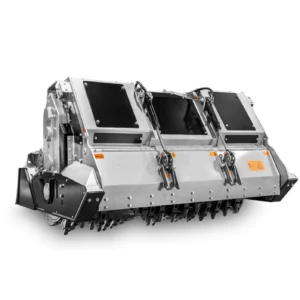
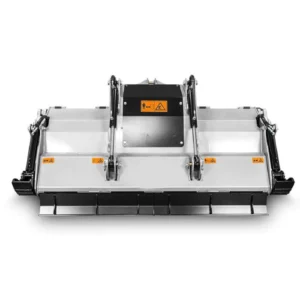
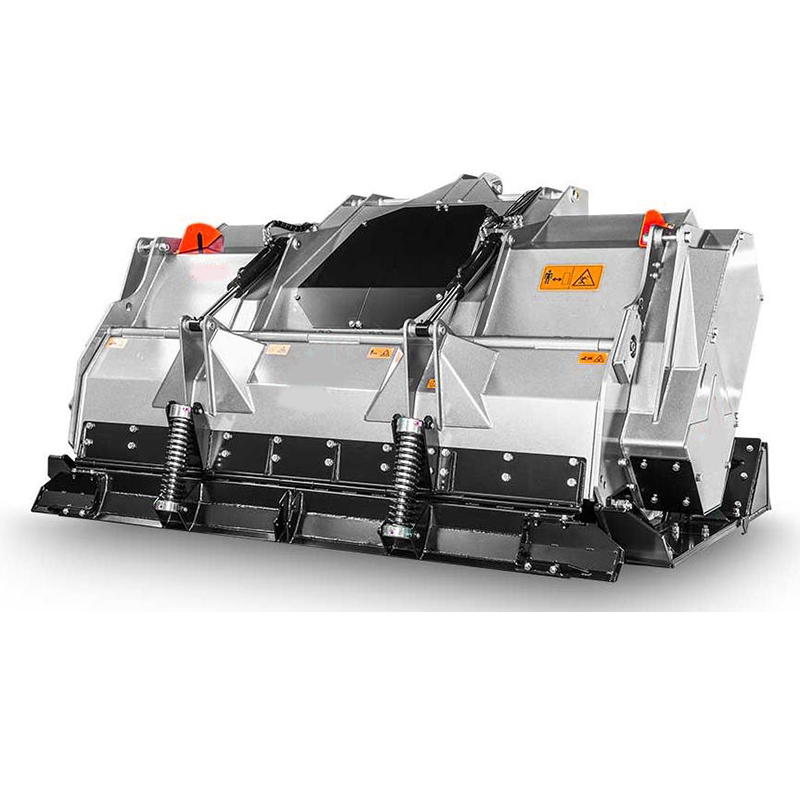
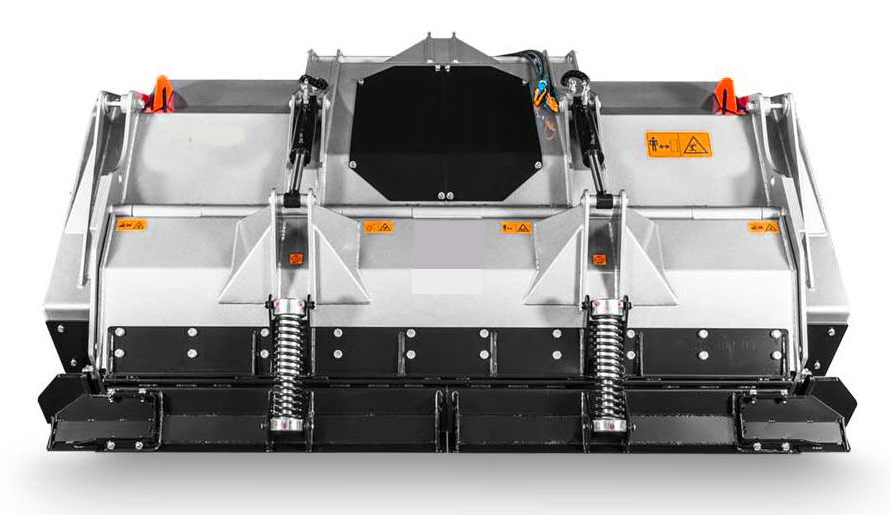
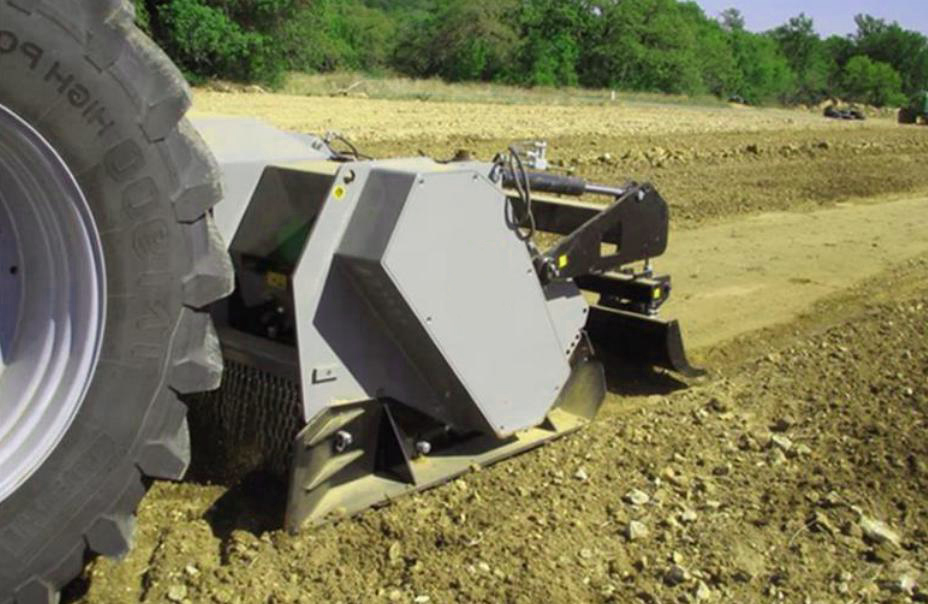
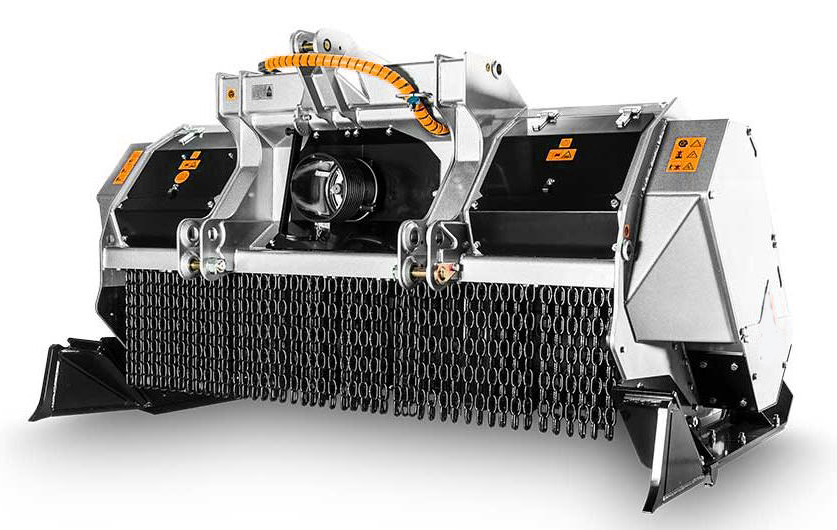
Kruszarka do kamieni AH Tractor jest dostosowana do najmocniejszych ciągników (od 280 do 400 KM), ma maksymalną głębokość roboczą 25 cm i możliwość kruszenia kamieni o średnicy do 50 cm. Wyposażono go również w nowy system skrobaków bocznych, który ogranicza zużycie boczne, regulowane płozy oraz wymienne łańcuchy ochronne. Trzy dostępne modele (o szerokościach roboczych 200, 225 i 250 cm) sprawiają, że maszyna doskonale nadaje się do różnych prac, w szczególności do obróbki gleb z dużą ilością ruchomych kamieni.
Głębokość robocza: maks. 25 cm
Średnica rozdrabniania: Ø 50 cm max
Ciągnik: od 280 do 400 KM
Dane techniczne
| Specyfikacja | AH 200 | AH 225 | AH 250 |
| Ciągnik (KM) | 280-400 | 280-400 | 280-400 |
| WOM (obr./min) | 1000 | 1000 | 1000 |
| Szerokość robocza (mm) | 2080 | 2320 | 2560 |
| Szerokość całkowita (mm) | 2566 | 2806 | 3046 |
| Waga (kg) | 4850 | 5050 | 5250 |
| Średnica wirnika (mm) | 700 | 700 | 700 |
| Maksymalna średnica rozdrabniania (mm) | 500 | 500 | 500 |
| Maksymalna głębokość robocza (mm) | 250 | 250 | 250 |
| Liczba zębów typu AH/3+AH/3/HD+AH/FP | 50+4+4 | 56+4+4 | 62+4+4 |
Zalety kruszarki do kamieni ciągnikowej w systemach agro-leśnych
- Poprawa efektywności użytkowania gruntów: W systemach agroleśnych łączących drzewa, uprawy i pastwiska, ta kruszarka do kamieni usuwa kamienie i gruz bez uszkadzania rzędów drzew ani pastwisk. Wyrównując teren i rozbijając skały, poprawia warunki do sadzenia, wypasu i uprawy drzew.
- Lepsza jakość gleby i lepsze przetrwanie drzew: Rozbijanie kamieni zwiększa powierzchnię styku z glebą, poprawia penetrację korzeni drzew i upraw oraz zmniejsza ryzyko uszkodzenia sprzętu siewnego lub korzeni drzew.
- Mniejsze zużycie sprzętu i konserwacji: Usuwanie dużych kamieni przed sadzeniem lub zakładaniem pastwiska chroni traktory, sadzarki do drzew i inny sprzęt przed uderzeniami kamieni, co zmniejsza koszty konserwacji i przestoje.
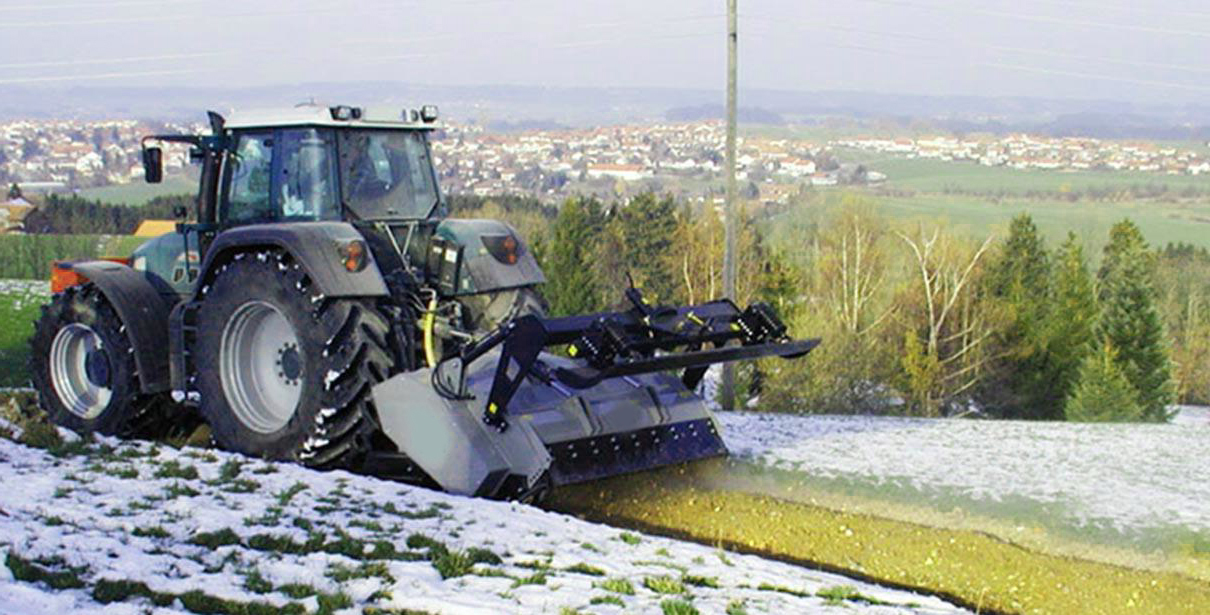
- Wysoka adaptacja do terenu: Maszyna została zaprojektowana z myślą o systemach agro-leśnych (uprawy współrzędne, systemy leśno-rolnicze) oraz mieszanych systemach leśno-uprawowych. Może pracować między rzędami drzew, wokół pastwisk i na nierównym terenie, wspierając wielofunkcyjne systemy rolne.
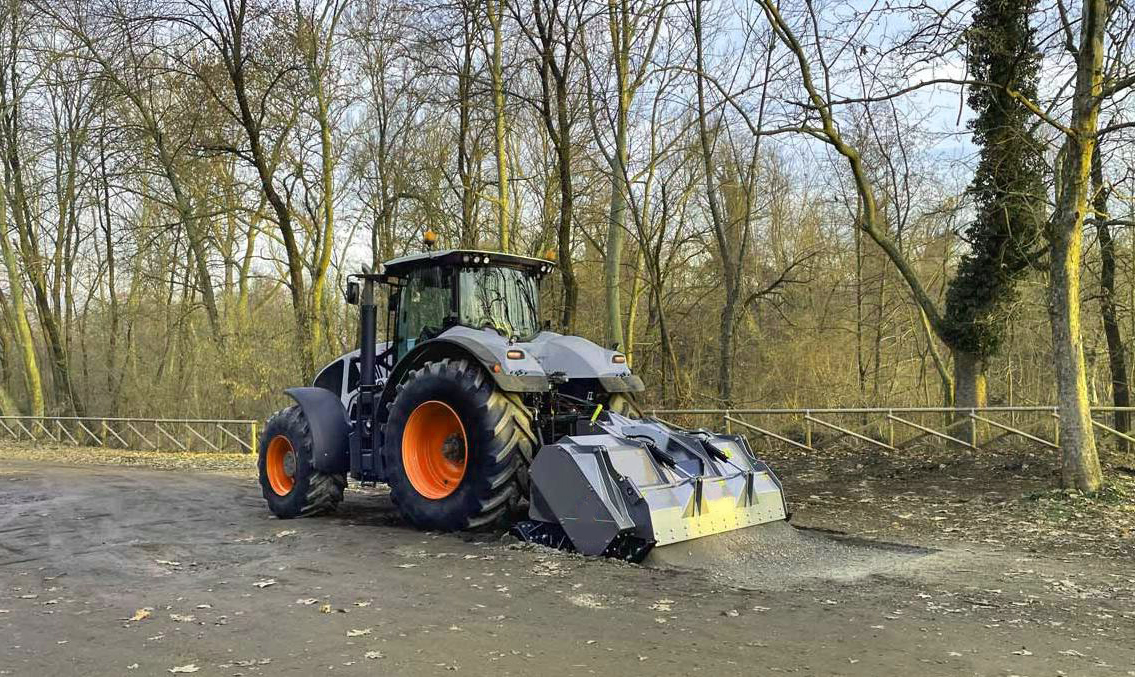
Jak działa kruszarka traktorowa?
- Akcesoria i napęd za pomocą wału odbioru mocy: Kruszarka do kamieni montowana jest na trzypunktowym zawieszeniu ciągnika lub innym kompatybilnym miejscu montażu i napędzana jest za pomocą wału odbioru mocy, który przekazuje moc z ciągnika na maszynę.
- System uderzeń wirnika: Wewnątrz maszyny znajduje się szybkoobrotowy wirnik wyposażony w stałe lub wymienne zęby, który uderza w skały i kamienie, krusząc je na mniejsze fragmenty i mieszając z glebą.
- Regulacja głębokości i szerokości: Operator może dostosować szerokość i głębokość roboczą do terenu agroleśnego – na przykład, płytką uprawę, aby uniknąć korzeni drzew, ale wystarczającą do rozbijania kamieni. Schematy różnią się w zależności od rozmiaru ciągnika i obciążenia kamieniami.
- Mieszanie i wyrównywanie gleby: Po skruszeniu kamienie są równomiernie rozprowadzane, a gleba wyrównywana. Powstaje w ten sposób odpowiednie podłoże pod uprawę roślin lub pastwiska, a gleba staje się bezpieczna dla wzrostu drzew.
- Obróbka końcowa: Maszynę można stosować w połączeniu z broną lub wałem do obróbki powierzchni, przygotowując ziemię do zasadzenia, wypasu lub zalesiania w systemie agro-leśnym.
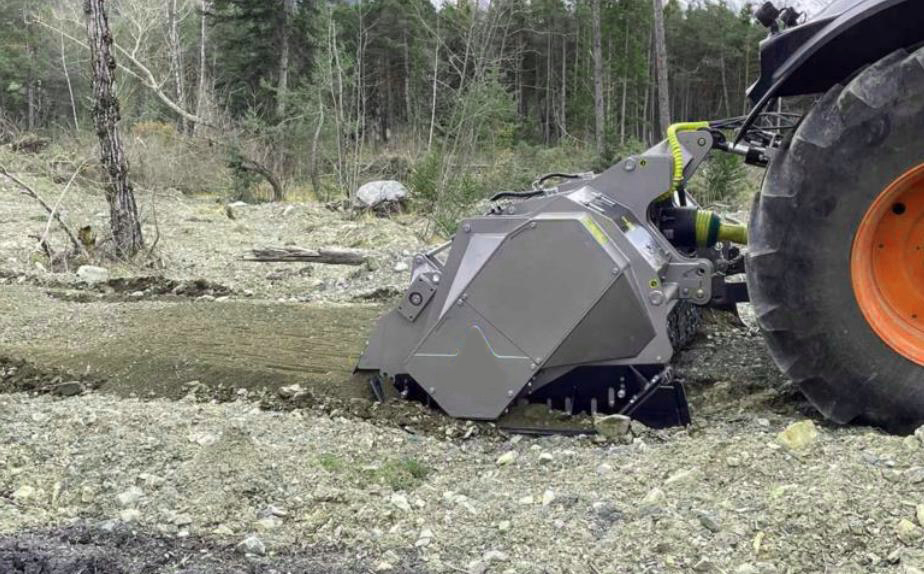
Jak wybrać odpowiednią kruszarkę traktorową?
- Moc ciągnika: Sprawdź, czy moc maszyny odpowiada mocy Twojego ciągnika. W lekkim terenie agroleśnym wystarczająca może być moc 70–150 KM; w przypadku cięższych ładunków kamieni rozważ wyższą moc.
- Szerokość robocza i odstępy między rzędami: Dopasuj szerokość roboczą do odstępów między rzędami drzew lub dostępu do pastwiska w projekcie agro-leśnym, aby uniknąć uszkodzenia drzew lub krzewów.
- Głębokość kruszenia i obciążenie kamieniem: Oceń rozmiar i rozmieszczenie kamieni. W przypadku kamieni położonych głęboko, wybierz model o większej głębokości penetracji. W przypadku modeli o głębokości około 20 cm lub większej, zapoznaj się ze specyfikacją producenta.
- Konfiguracja wirnika/noża: Szukaj maszyny wyposażonej w trwały wirnik i noże odpowiednie do gleb agroleśnych (płytkich, kamienistych, bogatych w korzenie). Upewnij się, że części są łatwe w wymianie i konserwacji.
- Serwis i części zamienne: W przypadku systemów agro-leśnych, które łączą w sobie drzewa, pastwiska i uprawy, należy wybierać dostawcę z solidnym serwisem posprzedażowym, dostawą części zamiennych i lokalnymi możliwościami serwisowymi, aby zminimalizować przestoje.
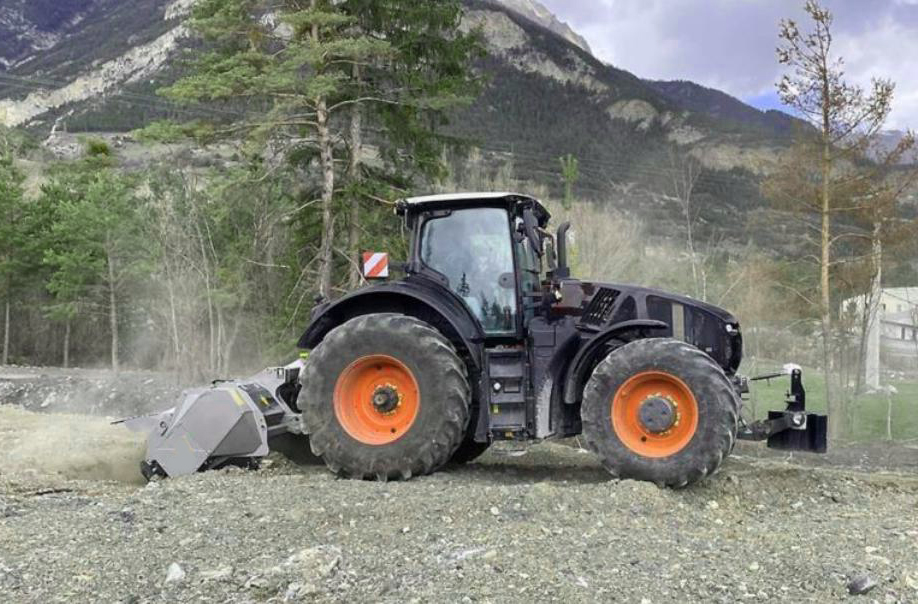
Opinie klientów
„W środkowych Włoszech wdrożyliśmy mieszany system nasadzeń, łączący drzewa, uprawy i pastwiska, wykorzystując kruszarkę kamieni zamontowaną na ciągniku do usuwania kamienistych ścieżek między rzędami drzew i dojazdami do pastwisk. Maszyna z łatwością poradziła sobie z kamieniami powierzchniowymi, nie uszkadzając młodych drzew oliwnych. Natychmiast zauważyliśmy poprawę tekstury gleby i zużycia sprzętu”.
— Klient: Kierownik gospodarstwa rolno-leśnego w Toskanii we Włoszech
„Przekształciliśmy stare pastwisko w system uprawy mieszanej, łącząc sadzenie drzew z produkcją siana. Ta maszyna usuwa duże kamienie i wyrównuje teren w jednej operacji; nasz zespół sadzący informuje, że sprzęt jest bezpieczniejszy w użyciu, a gleba jest gładsza”.
— Klient: Producent drzew i pastwisk w Piemoncie we Włoszech
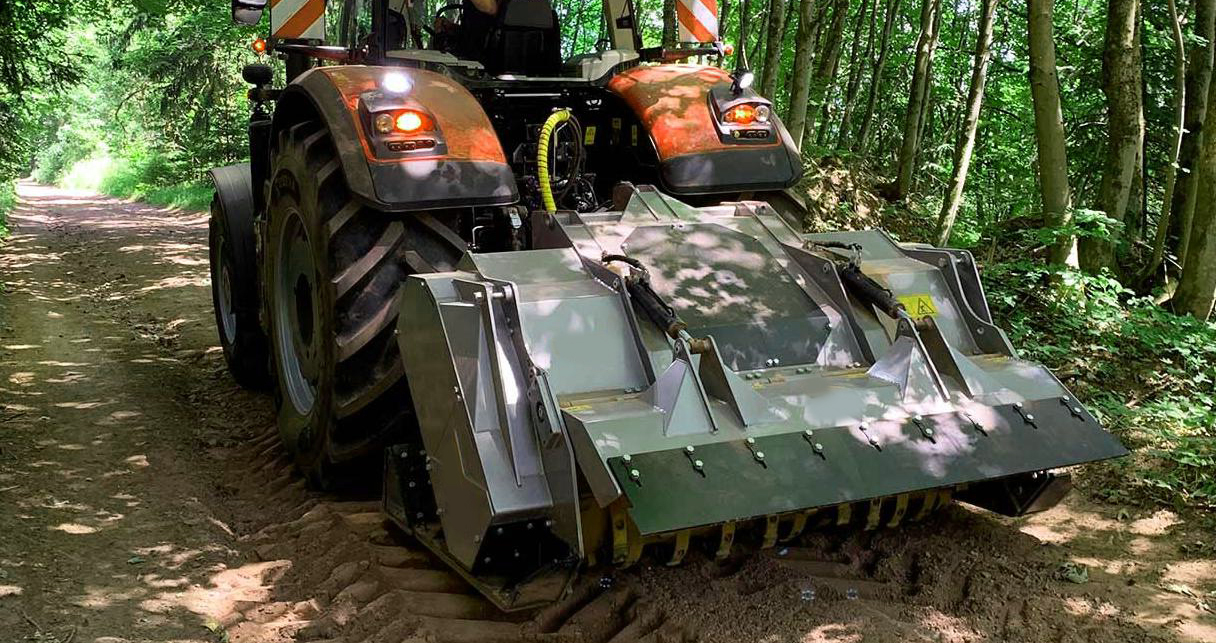
Przegląd firmy i certyfikaty
My, Italy Watanabe Agricultural Stone Crusher Co., Ltd. Dzięki ponad 15-letniemu doświadczeniu nasza fabryka integruje badania i rozwój, produkcję, kontrolę jakości, obróbkę skrawaniem, montaż i globalne usługi dostawcze, gwarantując stabilną wydajność produktów i oferując doskonałą obsługę klienta.
Stosujemy rygorystyczne procesy zarządzania jakością, posiadamy profesjonalny zespół inżynierów, zaawansowany sprzęt produkcyjny i stawiamy na dostarczanie trwałych maszyn spełniających międzynarodowe standardy.
Nasza fabryka posiada wszystkie niezbędne certyfikaty wymagane przy produkcji maszyn rolniczych, takie jak:
- Certyfikat Systemu Zarządzania Jakością ISO 9001
- Certyfikat bezpieczeństwa maszyn CE (UE)
- Normy emisji spalin EPA/Euro V (dotyczą wyposażonego silnika)
- Certyfikacja spawania i badań wytrzymałości konstrukcji
Posiadamy również nowoczesne zaplecze produkcyjne wyposażone w:
- Centra obróbcze CNC
- Maszyny do cięcia laserowego
- Systemy spawania robotowego
- Sprzęt do dynamicznego wyważania wirników
- Platformy do testowania trwałości i warunków terenowych
Dzięki temu możemy zagwarantować, że każdy produkt sprzedawany na całym świecie jest precyzyjnie wyprodukowany i niezawodny.
Współpracujemy z wieloma partnerami w Europie, Ameryce Północnej i Południowej oraz Azji Południowo-Wschodniej i nieustannie rozszerzamy naszą globalną sieć.
Serwis posprzedażowy i gwarancja
- Standardowa dwuletnia gwarancja producenta obejmująca ramę, skrzynię biegów i wirnik.
- Wystarczająca ilość części zamiennych i globalne wsparcie logistyczne, obejmujące sieć serwisową we Włoszech.
- Zapewniamy wskazówki dotyczące zakładania winnicy i szkolenia dotyczące jej obsługi.
- Aby maksymalnie wydłużyć żywotność sprzętu, realizowany jest program konserwacji zapobiegawczej (miesięczne kontrole, kontrola zużycia wirnika i smarowanie).
- Gwarantuje to długoterminową niezawodność sprzętu i zwiększa Państwa zaufanie do naszego sprzętu.
Często zadawane pytania
P1: Czy ta kruszarka ciągnikowa może być stosowana w systemach agro-leśnych z rozstawem rzędów drzew?
Odp.: Tak. Maszyna została zaprojektowana z regulowaną szerokością roboczą i niewielką głębokością roboczą, dzięki czemu jest kompatybilna z rozstawem rzędów drzew w systemach agro-leśnych, nie uszkadzając istniejących drzew.
P2: Jaka jest typowa moc ciągnika?
A: Do zastosowań w agroleśnictwie często wystarczają ciągniki o mocy 280–400 KM. Jeśli pole jest pokryte kamieniami lub potrzebna jest maszyna o większej szerokości roboczej, konieczne będą ciągniki o większej mocy.
P3: Jak głęboko maszyna może kruszyć kamienie?
A: W zależności od modelu i warunków glebowych, wiele maszyn kruszy kamienie na głębokość do 25 cm. Zawsze należy sprawdzić specyfikację modelu pod kątem dokładnej głębokości.
P4: Czy maszyna naruszy system korzeniowy drzew lub strukturę gleby?
A: Po prawidłowej konfiguracji maszyna jest używana poza główną strefą korzeniową ugruntowanych drzew i zapewnia mieszanie gleby bez poważnego naruszenia systemu korzeniowego. Poprawia warunki glebowe, zamiast je naruszać.
P5: Jakiego rodzaju konserwacja jest wymagana?
A: Zaleca się regularną kontrolę zębów wirnika, wymianę części eksploatacyjnych, smarowanie łożysk i sprawdzanie trzypunktowego układu zawieszenia. Aby zapewnić długotrwałą niezawodność, należy przestrzegać harmonogramu konserwacji producenta.