Descrição
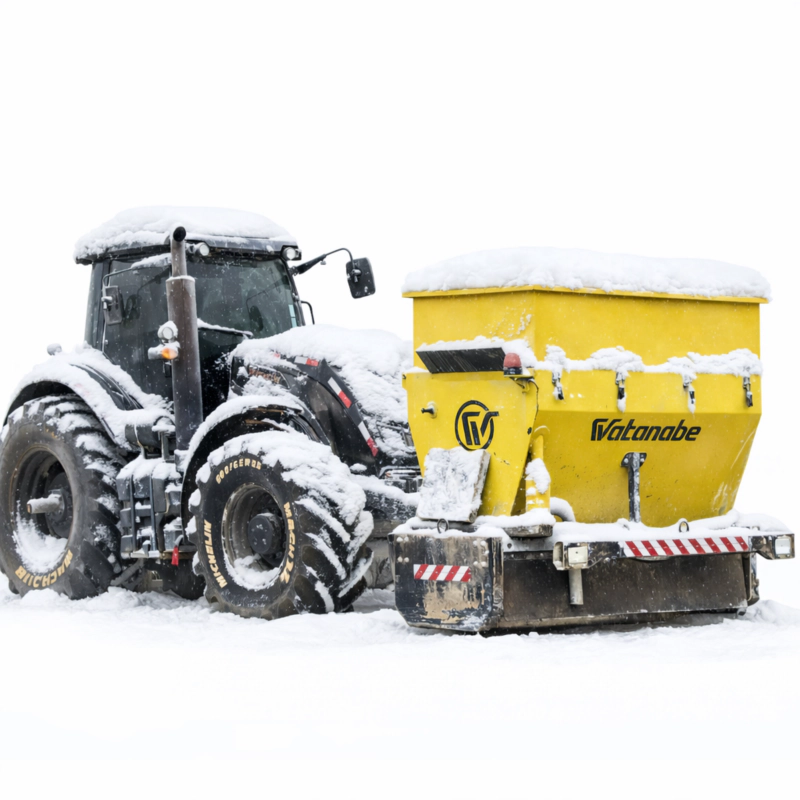
The DCW 2.2 is a binder spreader (lime/cement) with two internal rollers. This feature allows the operator to select between a 2-meter application width or individual 1-meter sections. Additionally, binder dosage control is performed by the operator, adjusting the delivery rate precisely and ensuring uniformity throughout the process. The equipment is mounted at the front of the tractor, enabling soil stabilization to be completed immediately afterward within the same operation.
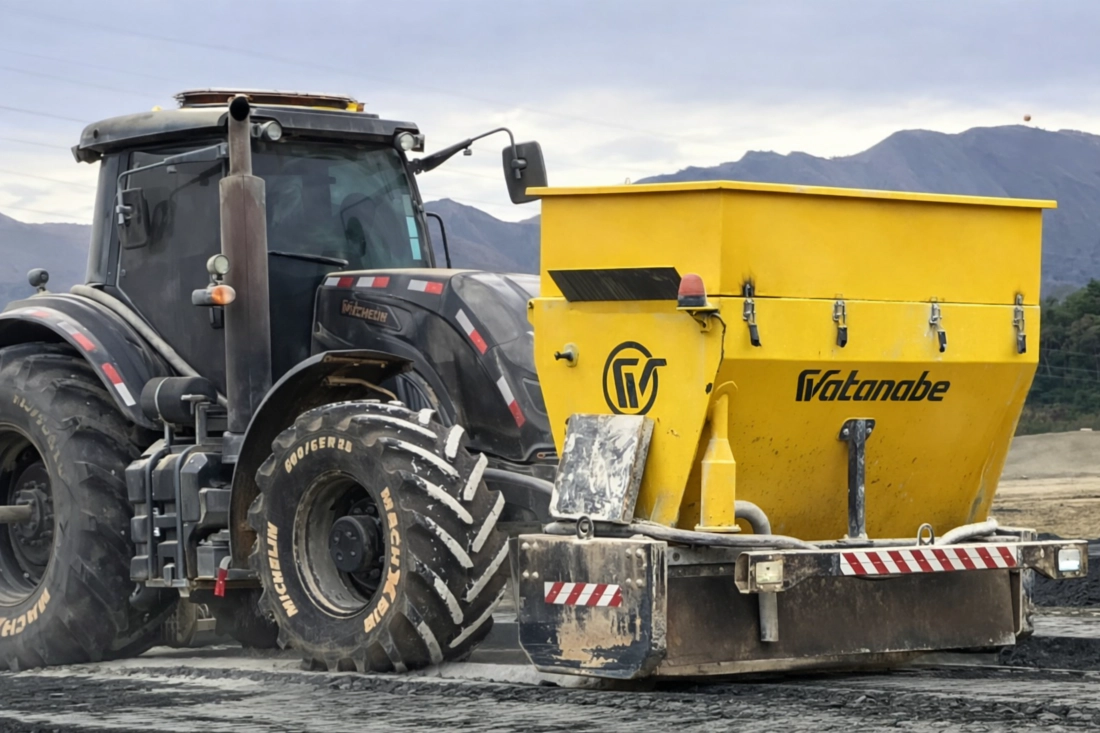 DIFFERENTIALS: Application versatility – 1 m or 2 m spreading widths. Integrated electronic control – precise adjustment by the operator. Optimized operation – distribution and stabilization in a single pass. Efficiency and economy – more uniform application with less waste compared to manual methods.
⚙️Core Technical Parameters
We know that every contractor’s fleet is a little different, so our machines come in various configurations. Below are the standard operational parameters—our engineering team can customize these exact specs based on your tractor’s hydraulic output and the specific bulk density of the materials you’re working with.
MODEL: DCW 2.2
| LENGTH | 1780 mm |
| LENGTH | 2680 mm |
| HEIGHT | 1740 mm |
| TRACTOR REQUIREMENTS | |
| WORKING WIDTH | 2140 mm |
| MANDATORY WEIGHT | 1300 kg |
🏆Unpacking the Engineering Advantages
ABOUT THE MACHINE:
- Equipmentdesignedforthedistributionofbinders(limeorcement) insoil-stabilizationworks.
- Featurestwointernalrollers,allowingapplicationsin2-meteror1-meter widthsdependingonoperationalneeds.
- Includesitsowncontrolsystem,operatedfrom adisplayinstalledinthe tractor,enablingpreciseadjustmentofapplicationrates.
- Mountedatthefrontofthetractor,allowingdistributionand,subsequently,soilstabilizationtobecarriedoutinthesameoperation.
- Ensuresuniform applicationwithminimalwaste,outperforming the conventional“bag-spread”method(manualandirregular).
🔍Navigating the Selection Process
Buying one of these machines isn’t like picking a drill off a hardware store shelf; it requires matching the machine’s physics to your specific operational logistics. A lot of folks get blinded by hopper volume and forget to calculate their actual logistical cycle times. You need to assess the bearing capacity of your typical subgrade. If you are doing deep stabilization in soft, saturated clays, dragging a massive 18-cubic-meter trailer model might just sink your tractor to the axles. In those situations, a 3-point hitch mounted unit, while requiring more frequent refills, keeps your footprint light and your wheels moving. Conversely, if you are laying miles of highway sub-base on relatively firm ground, that big trailer model means fewer stops for the pneumatic tankers, drastically accelerating your daily linear progress. Pay close attention to the hydraulic flow requirements. A high-performance cellular rotor demands continuous, stable oil flow. We’ve seen guys hook up our top-tier spreaders to older, tired tractors where the hydraulic pump just can’t keep up when the steering is engaged. We always recommend checking your auxiliary flow rates at operating RPM before deciding between a fully hydraulic drive or a PTO-driven mechanical hybrid.
🚧Field Applications Where This Tech Shines
These machines are the unsung heroes of heavy infrastructure. You’ll find our custom spreader units leading the charge in cold-in-place recycling (CIR), where old asphalt is milled up, mixed with a precise dose of cement laid down by our spreaders, and immediately compacted into a brand new, infinitely stronger roadbed. It’s incredibly efficient. They are heavily relied upon in airport runway construction. The tolerances for runway sub-bases are incredibly strict; a soft spot can cause a catastrophic failure under the weight of a commercial jet. Our volumetric dosing ensures that the soil chemistry is altered perfectly uniform across the entire runway footprint. We also see massive adoption in large-scale agricultural infrastructure. When farm conglomerates need to build heavy-haul access roads through soft, loamy fields to support 80,000-pound grain trucks, they use our equipment to blend lime deep into the native soil, curing it into a water-resistant, concrete-like slab without having to haul in thousands of tons of expensive crushed stone. 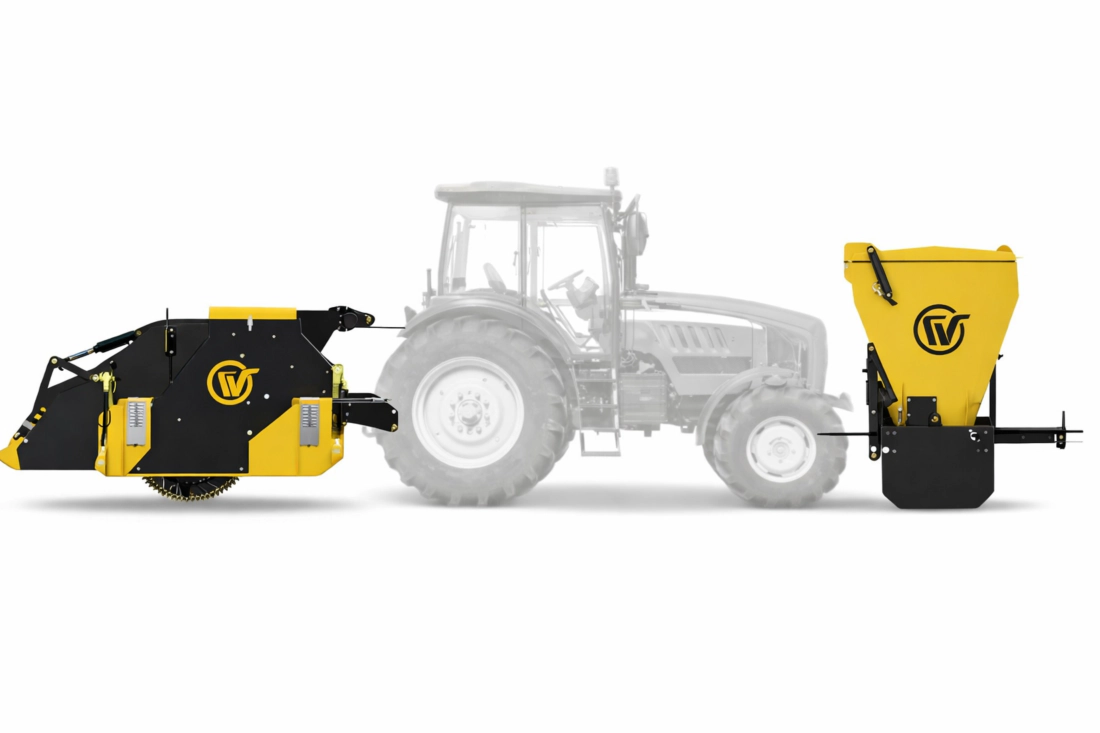
💬Unfiltered Voices from the Field
We can talk about Italian engineering tolerances all day, but the real truth comes out when the machine is covered in mud and the deadline was yesterday. Here is what we are hearing from operators across entirely different climates and industries:
“We run stabilization crews in the Mato Grosso region for soybean transport routes. The humidity here makes lime clump like crazy. We used to spend half our shift unclogging the old gravity spreaders. Since switching to this Italian-built hopper with the aggressive agitator shafts, the material flows like water, even in the wet season. It completely changed our daily output.”
— Mateus S., Heavy Infrastructure Contractor (Brazil)
“Working on Autobahn expansion projects means the environmental regulations regarding dust are extremely severe. If we blow cement into traffic, we lose the contract. The pneumatic filling and the rubber skirt system on this binder spreader seal the dust in beautifully. The radar-speed matching is also incredibly accurate; our core samples pass the lab tests on the first try every time.”
— Jurgen H., Civil Engineer (Germany)
“Developing huge residential subdivisions in Texas means dealing with expansive clay soils. We pump thousands of tons of quicklime into the ground. I need machinery that doesn’t break when a green operator runs it too hard. The structural steel on this unit is absurdly thick. It’s a heavy beast, but it takes a beating from our loaders and just keeps spreading.”
— Sarah Jenkins., Site Prep Operations Manager (USA)
🔗Beyond the Spreader: Completing Your Drivetrain
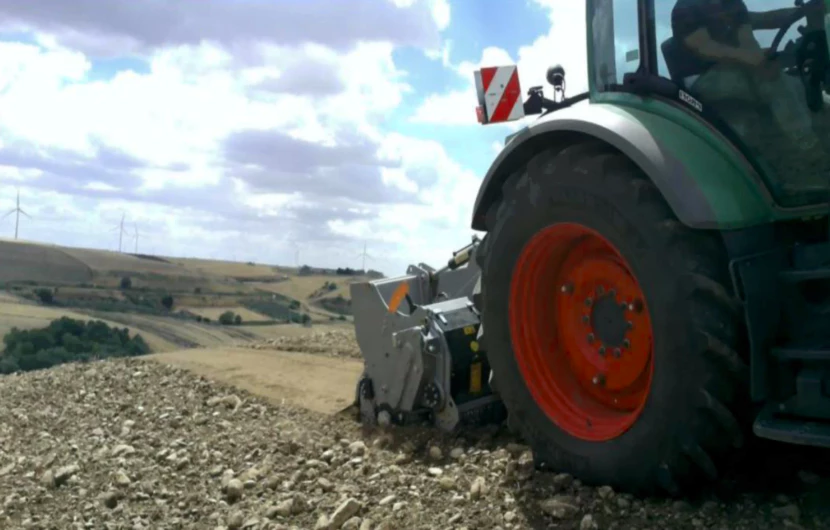
A high-end spreader is useless if the power delivery from the tractor is compromised. As a comprehensive mechanical manufacturer, we don’t just stop at the hopper. We engineer and supply the critical heavy-duty PTO shafts that handle the brutal shock loads of agricultural and construction work. We build the precision right-angle gearboxes that translate that tractor power into the massive torque required to turn heavy augers through dense, settled cement. Furthermore, if your soil stabilization process requires reducing native rock sizes before mixing in the binder, we manufacture incredibly robust forestry tillers and tractor-mounted stone crushers. These units process oversized material directly in the field, preparing the perfect homogenous soil matrix for your binder spreader to treat.
❓Frequently Asked Questions (Field Realities)
When you field calls from operators all day, you start noticing patterns. Here are a few technical questions we consistently clear up for our partners.
Do I absolutely need the electronic radar speed-matching system?
If you are doing low-spec agricultural paths, a manual hydraulic valve setting might suffice. But if you are working on state highways, county roads, or any job where core samples are tested for compressive strength, the radar is mandatory. It eliminates the human error of fluctuating tractor speeds, guaranteeing you don’t fail your compaction and strength tests.
How often do the cellular rotor seals need replacing?
Cement and lime are highly abrasive—they act like sandpaper. With standard daily use and proper cleaning (not letting damp material cure inside the rotor overnight), our heavy-duty industrial seals typically last a full busy season (around 800-1000 operating hours) before you start seeing bypass dust. We designed the cassette system so you can swap these seals out in about 45 minutes right in the field.
🎙️Specific Buying Questions (Voice Search Answers)
How much does a commercial soil stabilization binder spreader cost from a direct supplier?
What is the best tractor mounted binder spreader for wet lime application in road construction?
Where can I find a custom binder spreader manufacturer that ships heavy machinery to North America?
Which type of binder spreader gives the most accurate cement dosing for highway base layers?
When should contractors upgrade from a mechanical spreader to an electronic variable rate spreader?
Stop Wasting Material. Start Engineering Your Soil.
Let our engineers match the perfect heavy-duty spreading technology to your specific fleet and soil conditions.